
Is Solar Right for Your Home?

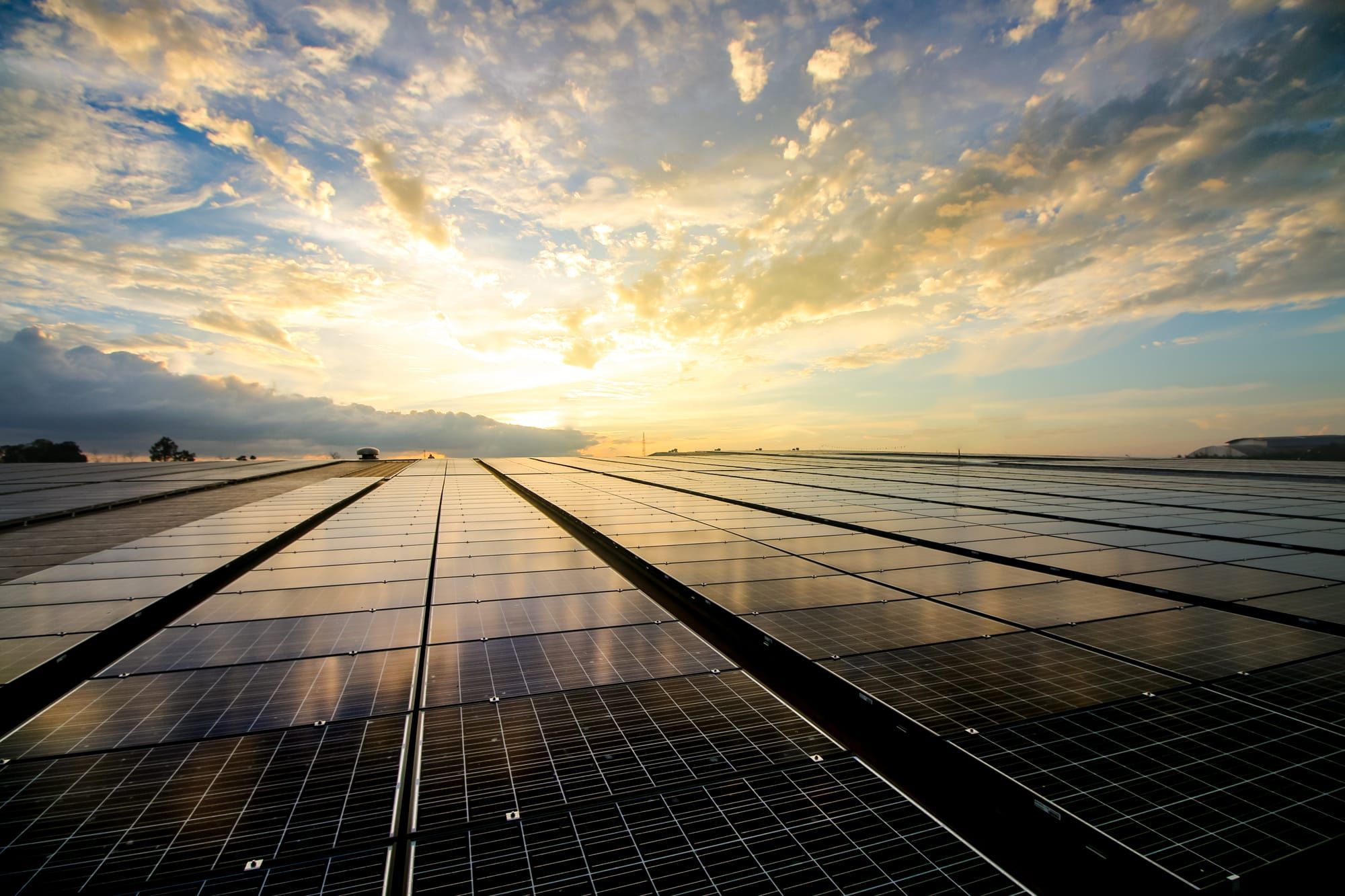
With rising energy costs and growing interest in sustainable living, solar panels have become a popular home upgrade. You may have even had sales people come to your door listing some compelling advantages, but it isn't the perfect solution for every homeowner or every property.
If you've been wondering whether going solar makes sense for you, here's a look at the key pros and cons to help you make an informed decision. Your agent is always available to discuss in more detail as well!
The Pros of Adding Solar Panels
- Lower Monthly Energy Bills
One of the biggest draws of solar is the potential for long-term savings. By generating your own electricity, you can significantly reduce—or in some cases nearly eliminate—your monthly power bill.
Just as important, solar panels help insulate you from future utility rate increases. Electric rates tend to rise over time, and producing your own power allows you to lock in a portion of your energy costs at a more predictable rate. - Environmental Benefits
Solar power is a clean, renewable energy source. By switching to solar, homeowners can reduce their carbon footprint and reliance on fossil fuels. - Potential Increase in Home Value
In many markets, homes with owned solar panels sell for more than comparable homes without them. Buyers are often attracted to the idea of lower utility bills and energy efficiency.
If marketed properly, solar can also help a home stand out in a competitive real estate market. - Tax Credits & Incentives
Federal, state, and local incentives can significantly reduce the upfront cost of installing solar panels. The federal solar tax credit, for example, allows homeowners to deduct a percentage of installation costs from their federal taxes.
Availability and amounts vary by year and location, but incentives can materially improve the return on investment. - Energy Independence
Solar panels can reduce dependence on the power grid. When paired with battery storage, they can also provide backup power during outages which is an increasingly attractive feature in areas prone to storms or grid disruptions.
The Cons of Adding Solar Panels
- High Upfront Cost
Even with incentives, installing solar panels requires a significant initial investment. For many homeowners, the upfront price can be a barrier, especially if they don’t plan to stay in the home long enough to fully realize the savings. - Not Every Home is a Good Fit
Solar panels work best on homes with:
- South-facing roofs
- Minimal shade from trees or buildings
- Adequate roof size and structural integrity (or flat areas of land for rural properties)
Homes that don’t meet these conditions may produce limited energy, reducing the financial benefits. - Long Payback Period
Depending on installation cost, incentives, energy usage, and utility rates, it can take 8–20 years to break even on a solar investment.
If you plan to sell your home within a few years, you may not recoup the full cost. - Roof Complications
If your roof needs replacement in the near future, installing solar now can create added complexity and expense later. Panels must be removed and reinstalled during roof work, which can cost several thousand dollars. - Maintenance & Repairs
While solar systems are generally low-maintenance, they aren’t maintenance-free. Inverters may need replacement after 10–15 years, and damaged panels can be costly to repair. - Leasing Can Complicate Resale
Some homeowners lease their solar panels instead of purchasing them outright. While this lowers upfront costs, leased systems can complicate home sales, as buyers must agree to take over the lease or the seller must buy out the contract.
This can limit your buyer pool or delay transactions.
Key Questions to Ask Before Going Solar
- How long do I plan to stay in this home?
- What is my average monthly energy usage?
- Is my roof in good condition and well-positioned for sun exposure?
- What incentives are available in my area?
- Should I buy, finance, or lease my system?
- How might solar impact resale in my local market?
For those planning to stay put long-term, with good roof conditions and strong sun exposure, solar can deliver meaningful savings, energy independence, and environmental benefits. For others, especially short-term homeowners or those with shaded or aging roofs, the financial payoff may be less compelling.
If you’re considering solar and wondering how it could impact your home’s value, resale appeal, or long-term affordability, feel free to reach out to your #1 Properties agent. They can help you think through how solar fits into your overall home goals and connect you with trusted local professionals to explore your options.
As with any major home upgrade, the best decision comes from running the numbers, understanding local incentives, and choosing what makes the most sense for your lifestyle and future plans.